
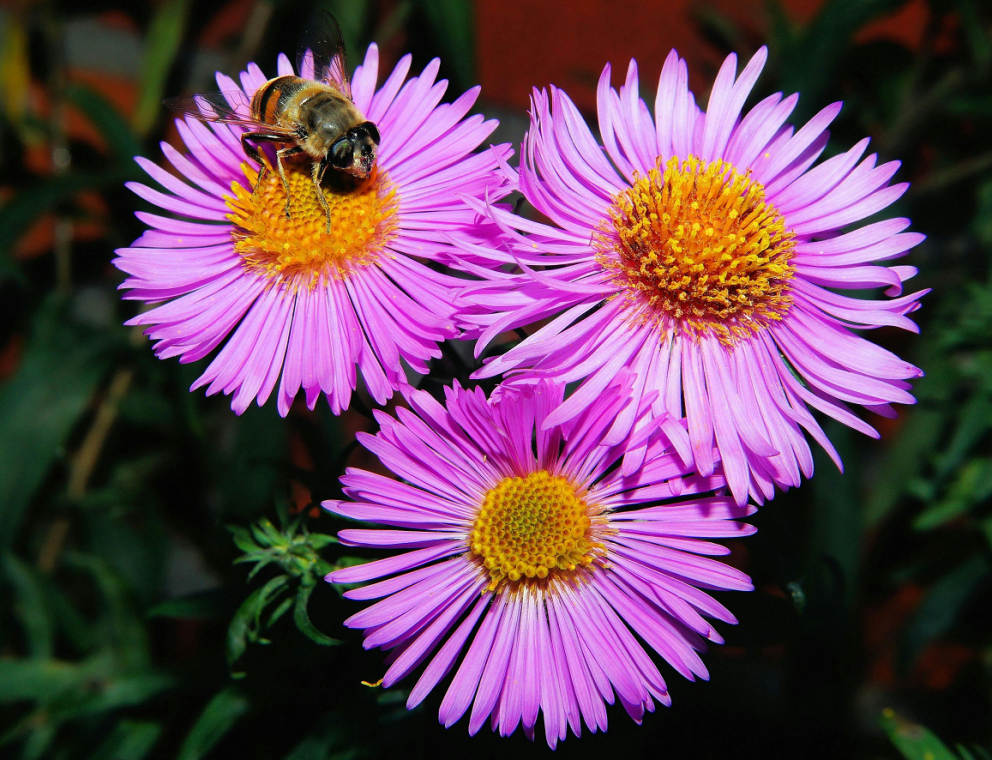
Areas across Argyll and Bute have been identified as suitable for protected green spaces that will allow plants to flourish and pollinators to thrive during the months of May and June.
Members of the Environment, Development and Infrastructure Committee agreed on 18 December that this approach would be piloted in 2026, with more permanent areas marked out for community-based wildlife projects in future years.
The move is in support of a campaign, founded by Plantlife in 2019, which calls on gardeners and green space managers not to mow their lawns during the month of May. This international conversation charity works to enhance, protect and restore wild plants essential for pollinators.
The areas chosen throughout Argyll and Bute to grow wild and create a feast for pollinators early in the 2026, are easily mowed and recovered later in the season to take other required work into account.
Moving forward, the emphasis will be on working in partnership with schools, local organisations and the council’s biodiversity officer to find permanent sites and planting that will encourage pollinators to thrive in Argyll and Bute.
Permanent planting displays, including herbaceous borders, have the potential to provide a habitat to attract and maintain the pollinator activity so vital to our ecosystem and agriculture.
Councillor Luna Martin, Policy Lead for Climate Change, Biodiversity and Gaelic, said:
“Supporting pollinators means supporting communities. Bees, butterflies and other pollinating species create thriving gardens, crops, and natural spaces we rely on for health and wellbeing. When we create habitats for pollinators, we protect biodiversity and strengthen local food security.
“In Argyll and Bute, we are fortunate enough to be surrounded by luscious landscapes, however climate change is already impacting weather and reducing habitats pollinators depend on. By creating pollinator-friendly areas, we are taking meaningful action to protect our natural environment.”
Councillor John Armour, Policy Lead for Roads, Transport and Amenity Services:
“This approach balances managing the Council’s estate, which our communities expect, with protecting pollinators and their habitats. It’s important work and we have to get it right for our environment and our people. I look forward to community collaboration to ensure we take this forward successfully.”
The full list of pollinator sites for 2026 are:
Helensburgh and Lomond
- Burns Park, Cardross
- Rhu Churchyard
- Gare Road, Rosneath
- Walker’s Rest, Garelochhead
Bute and Cowal
- Rhubodach
- The Serpentine
- Far end of Shinty Park
- Bullwood Road on seaward side past the old quarry
- Grass area behind the Queen’s Hall
- Lazaretto Point, Sandbank on the seaward side
Mid-Argyll, Kintyre and Islay
- Wilson Road, Lochgilphead
- Sinclair Avenue, Inveraray
- Tarbert bus turning circle
- Front of Bruichladdich
- Portnahaven road verges
- Hillside verge, Campbeltown
- Bengullion Road, Campbeltown
- Old paddling pool area, Campbeltown
Oban, Lorn and the Isles
- Frews Park
- Glengallon Road
- Ganavan car park
- Dunbeg cycle path
- Calgary cemetery