
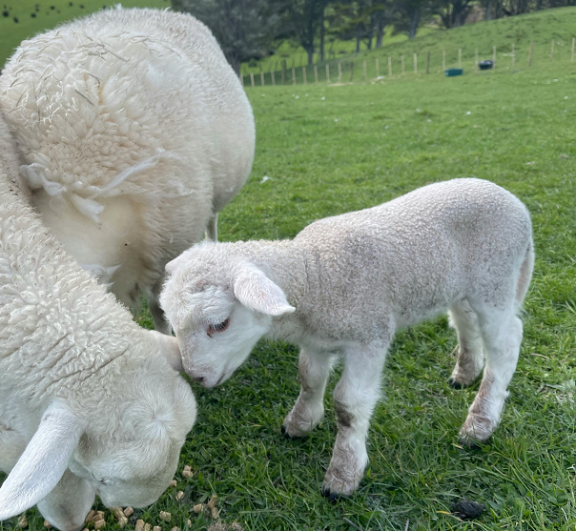
Farm visits are an enjoyable way for children and adults to learn about animals, the environment and rural life. However, animals can carry germs that can cause infections in humans which can make people unwell. This guidance explains how to reduce the risk of infection when visiting a farm. Germs linked to farm animals include:
- Shiga toxin-producing Escherichia coli (STEC) – can cause abdominal pain and diarrhoea, including bloody diarrhoea. A small number of people may develop serious complications.
- Cryptosporidium – often linked to the lambing season. It commonly causes diarrhoea and stomach pain.
You can become infected through direct contact with animals or by touching surfaces contaminated with animal poo such as fences and gates.
How to protect yourself and others
Wash your hands thoroughly with liquid soap and warm running water, then dry them properly, ideally with paper towels. Always wash your hands:
- after touching animals or surfaces in animal areas
- before eating or drinking
- after removing boots or cleaning pushchairs
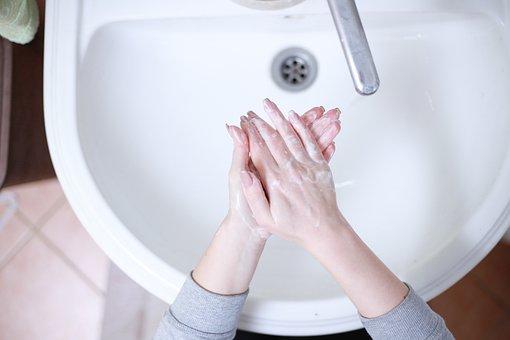
Alcohol gels and wipes are not a substitute for handwashing.
Supervise children
- Make sure children wash their hands properly
- Cover any cuts or grazes with a waterproof dressing
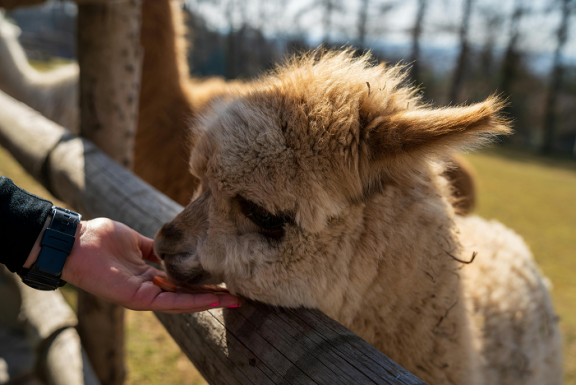
- Do no allow children to put their fingers in their mouths or touch their faces while around animals
- Do not let children kiss animals or put their face close to them
Food and drink
- Only eat in designated picnic or café areas after washing hands
- Do not taste or eat animal feed
- Do not eat or drink while walking around the farm
- Do not eat anything that has fallen on the floor
Guidance for pregnant women
Pregnant women should avoid contact with animals that are giving birth, newborn animals and birthing fluids. They can carry germs that can be particularly risky in pregnancy.
Do not handle clothing or boots that may be contaminated until they have been washed at the highest temperature recommended by the manufacturer (ideally 60◦C for 30 minutes).
Ensure partners or contacts who have attended lambing or calving follow good hygiene measures and use protective equipment.
If you become unwell
If you or your child develops diarrhoea or becomes unwell after a farm visit, contact your GP or NHS 24. Seek emergency medical attention immediately if anyone, but particularly a child, has bloody diarrhoea.
Responsibilities of farmers
Farmers must take steps to reduce risks to visitors. This includes:
- following disease‑control measures and vaccination programmes
- meeting legal duties under the Control of Substances Hazardous to Health (COSHH) Regulations
- seeking veterinary advice where needed
Links to further information
NHS Inform: Avoiding bug and germs outside
UK Health Security Agency (UKHSA): Avoiding infection on farm visits
HSE: Preventing or controlling ill health from animal contact at visitor attractions or open farms
Contact
Argyll and Bute Council: Environmental Health Service
Telephone: 01546 605519 or Email: envhealth@argyll-bute.gov.uk